Alpaca (Vicugna pacos)
The Alpaca is a species of South American camelid descended from the Vicuna. It is similar to, and often confused with, the llama. However, alpacas are often noticeably smaller than llamas. Alpacas originate from the central and southern Andes from Peru to Argentina, in an area known as the Altiplano (Spanish for high plain).
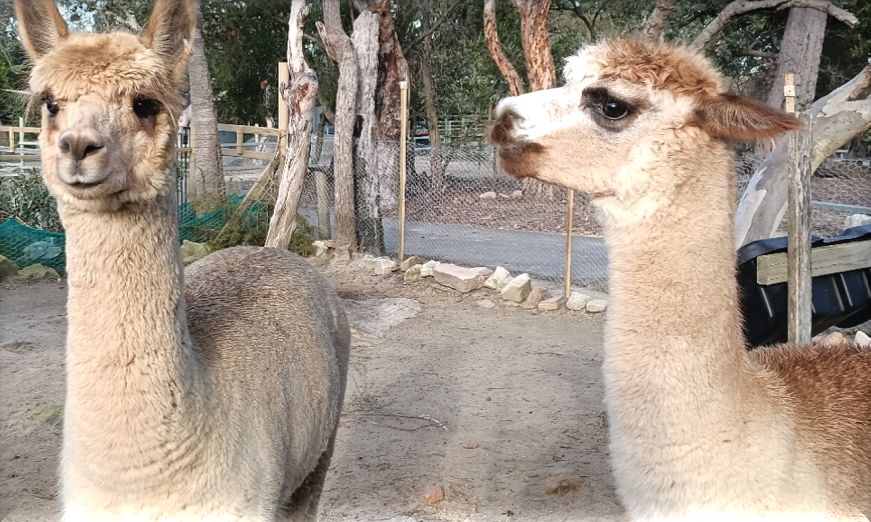
Alpacas communicate through body language. The most common is spitting when they are in distress, fearful, or mean to show dominance.
Alpacas stand at approximately 1.5m tall and weigh between 45 and 80kg. They can live up to 15 to 20 years of age.
Did You Know?
- Alpacas have short ears and face; Llamas ears and face are longer.
- Llamas are taller and heavier.
- Alpacas are herd members; Llamas are more independent.
- Alpacas will only ‘spit’ as a last resort; Llamas will ‘spit’ whenever they feel threatened.
Short-Beaked Echidna (Tachyglossus aculeatus)
The Short-beaked Echidna is found throughout the entirety of Australia, including Tasmania. They inhabit forests, woodlands, heath, grasslands, and arid environments.
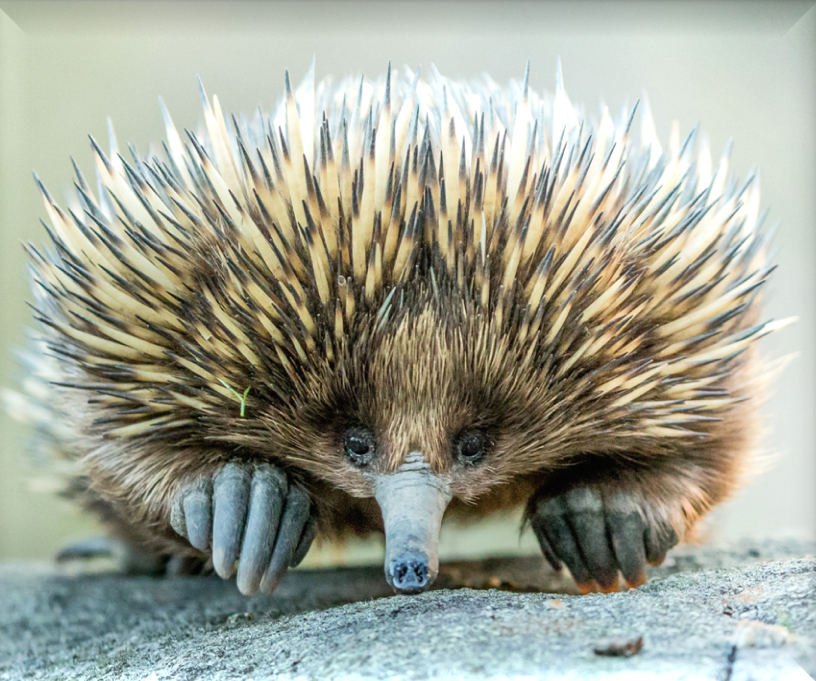
Using its pointed snout and sharp claws, the Short-beaked Echidna breaks into ant and termite nests and catches its prey by flicking its long sticky tongue in and out. An Echidna tongue can be up to 17cm long!
Like the Platypus, the Short-beaked Echidna is an egg-laying mammal or ‘monotreme’ and lays one egg at a time.
DID YOU KNOW?
- A baby Echidna is called a “Puggle.”
- Echidnas are the most widespread mammal in Australia.
- Echidnas are good at swimming and are sometimes seen cooling off at the beach on hot days.
- Echidna’s blow bubbles to clear dirt out of their noses!
Our animals need you now
Situated less than an hours drive north of Sydney
Once you enter the park gates, it’s easy to see why Lonely Planet named Walkabout Park as one of the top ten best family friendly animal adventures in the world.